
ShikshaLoan

Public bank education loans

Understand public-bank style funding before applying

Public-bank style routes can be strong for structured, collateral-backed planning, but documents, branch process, and timing need care.

Structured routeDocuments matterCollateral possible
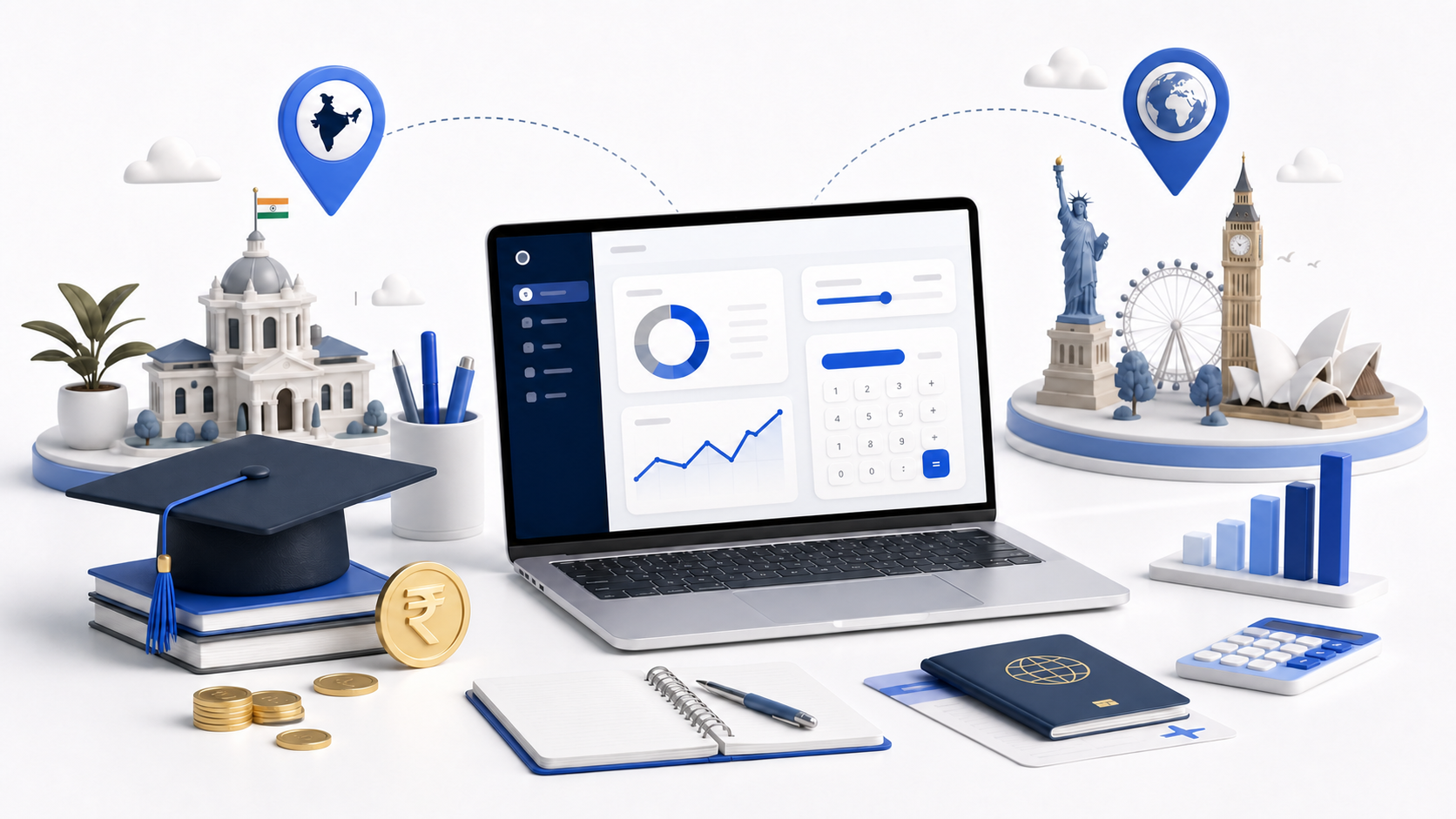
ShikshaLoan education loan planning workspace
Check branch process early.
Keep collateral and income documents organized.
Compare timing with fee and visa dates.

Direct answer

How should families plan a public-bank education loan route?

A public-bank education loan route often rewards early document preparation, clear course and fee proof, co-applicant readiness, and collateral clarity where the loan amount requires it. ShikshaLoan describes this as a route to investigate, not a guaranteed cheaper or easier option. Public-bank style processing can involve branch-level checks, security evaluation, margin rules, sanction conditions, and staged disbursement, so the practical question is whether the family file is ready before deadlines become tight. Users should compare public-bank terms with other routes on loan amount, rate, fees, collateral, repayment, moratorium treatment, and disbursement timing before deciding.

  • Branch process can be document-heavy
  • Collateral may matter for larger amounts
  • Compare total cost and timing
01

Prepare profile

Collect student, co-applicant, admission, cost, and collateral context.

02

Check branch route

Understand the review flow, property checks, and approval stages.

03

Compare cost

Use EMI and moratorium calculators before selecting terms.

04

Plan disbursement

Match sanction and release process to university payment needs.

Bank route

Public-bank style loans need disciplined documentation.

This route may suit families that can support formal document checks, collateral review where required, and a structured approval process.

Branch process

Expect formal checks and possible back-and-forth on documents.

Collateral checks

Higher loan amounts may need property or security review.

Repayment clarity

Compare EMI, moratorium, and total payable before accepting.

Eligibility and profile fit

Public-bank readiness signals

This route usually benefits from complete documents, collateral clarity, co-applicant proof, and enough time before payment deadlines.

High

Documentation

Incomplete files can slow the process.

Often useful

Collateral

May improve fit for larger amounts.

Needs buffer

Timeline

Start before fee or visa dates become urgent.

Documents

Public-bank style document file

Prepare a clean file before starting branch or lender conversations.

Student documents

Academic, admission, identity, and cost proof.

  • Admission letter or application shortlist
  • Fee structure and living-cost estimate
  • Academic transcripts and test scores
  • Passport or accepted identity proof

Co-applicant documents

Income, identity, bank, and credit-readiness proof.

  • PAN, address, and relationship proof
  • Salary slips, ITR, business proof, or income documents
  • Bank statements and existing obligation details
  • Consent for lender checks where required

Funding proof

Scholarship, contribution, collateral, and disbursement context.

  • Scholarship award or application tracker
  • Family contribution estimate
  • Collateral papers, if secured route is being checked
  • Visa or fee deadline notes, if applicable

Comparison table

Bank vs NBFC style comparison

The exact lender terms vary, but this table shows the common planning questions.

Factor Public bank style route Private bank or NBFC style route What to check
Processing Can be document-heavy and branch-led, especially for collateral cases. Can move faster for eligible profiles with complete documents. Match processing speed to fee and visa dates.
Eligibility Often depends on collateral, co-applicant, institute, and policy fit. Often depends on course, country, co-applicant income, and profile strength. Check both policy and practical documentation.
Cost May be lower in some secured cases, subject to final terms. May be higher, but can offer no-collateral routes for selected profiles. Compare APR-like total cost, not only EMI.
Disbursement May require more formal milestones and documentation. May be more flexible, but terms need careful reading. Confirm university account, forex, and installment timing.

Risks and mistakes

Public-bank route risks

Use this as a planning checklist. Final lender terms and eligibility still depend on policy and document verification.

Starting too close to the deadline

Formal review can take time, especially with collateral.

Unclear collateral file

Title, valuation, or ownership issues can slow approval.

Missing disbursement requirements

Sanction and release are separate steps.

Last reviewed: 29 Jul 2026

This page uses official and primary references for education-loan context where possible. Final lender terms, eligibility, documents, and deadlines still need direct confirmation with the relevant provider.

Questions families ask

Loan planning FAQs

Are public-bank loans always cheaper?

Not always. Some routes may be cost-effective, but compare rate, processing, collateral requirements, moratorium treatment, and total payable.

Do public-bank routes require collateral?

It depends on amount and policy. Larger loans often need stronger security or collateral review.

When should I start?

Start as soon as the course, cost, and documents are reasonably clear, especially if collateral is involved.

Bank route review

Need help preparing for a public-bank style loan?

Share the amount, institute, collateral comfort, and deadline. ShikshaLoan can help organize the planning sequence.

  • Prepare documents
  • Check collateral route
  • Plan EMI

By continuing, you ask ShikshaLoan to process these details for email verification and funding-support follow-up. Read the Privacy Policy and Terms of Use.